Platform guide
All Pokémon Game Boy games
By Lenn Hodes · founder — every cartridge tested by hand
Nine Pokémon games came out on the Game Boy and Game Boy Color between 1999 and 2001 — the first two generations, and the cartridges that started all of it. They are also the only Pokémon games where a dead battery costs you your save, so this list comes with the check we run on every copy that passes through our hands.
The short answer
The six mainline Pokémon games on Game Boy and Game Boy Color are: Red and Blue (1999), Yellow (2000), and Gold, Silver and Crystal (2001) — Crystal being the definitive Johto version. Three spin-offs bring the total to 9: Pokémon Pinball, Pokémon Trading Card Game and Pokémon Puzzle Challenge. All nine are region-free and play on every Game Boy, Game Boy Color and Game Boy Advance.
Tested Pokémon Game Boy games in stock
Opened, screw- and board-checked, save-tested on real hardware — with the battery status stated on every listing.
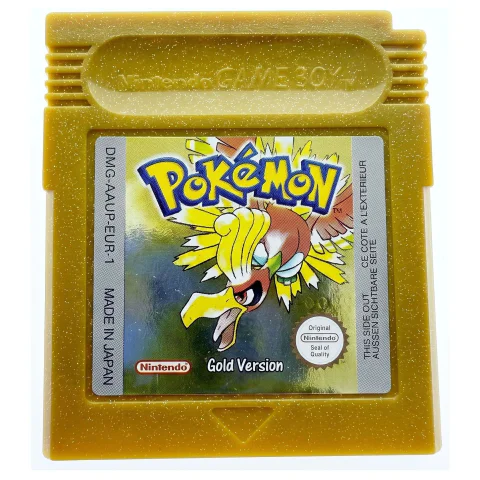
Pokemon Gold
€94.95Personally tested
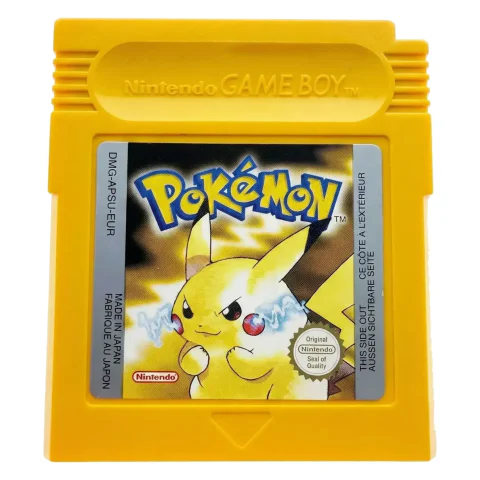
Pokemon Yellow (poor condition)
€74.95Personally tested Fair condition
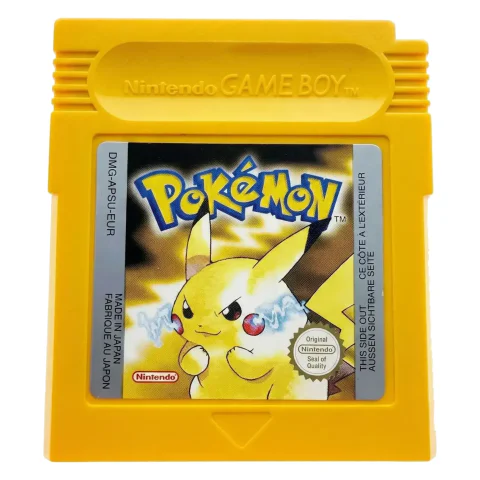
Pokemon Yellow
€99.95Personally tested
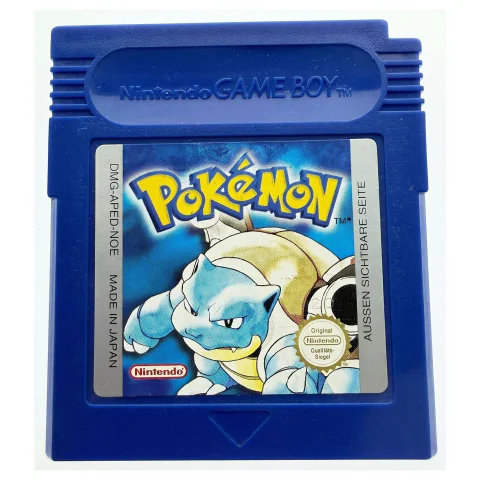
Pokemon Blue (poor condition)
€74.95Personally tested Fair condition
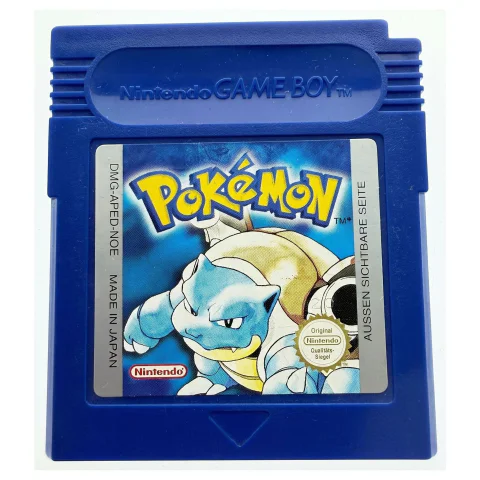
Pokemon Blue
€94.95Personally tested
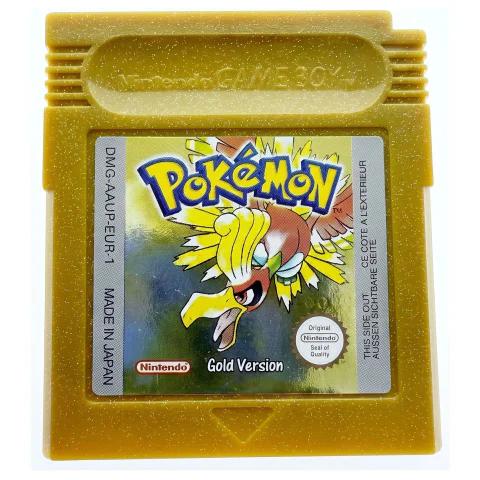
Pokemon Gold (poor condition)
€74.95Personally tested Fair condition
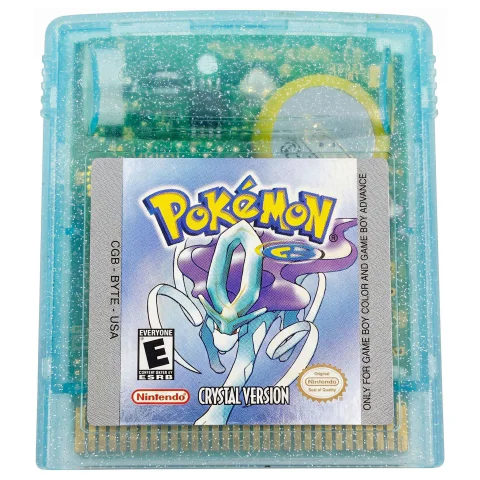
Pokemon Crystal
€209.95Personally tested
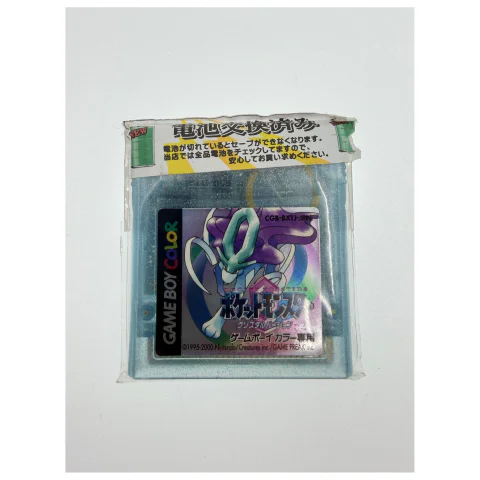
Pokemon Crystal (Japanese edition)
€89.95Personally tested
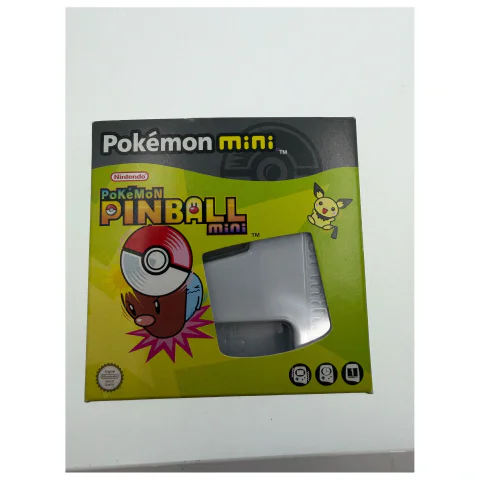
Pokemon Pinball mini (Pokemon Mini)
€196.95Personally tested
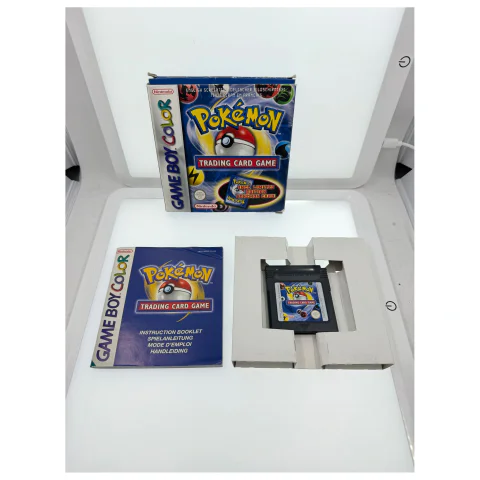
Pokemon Trading Card Game
€189.95Personally tested
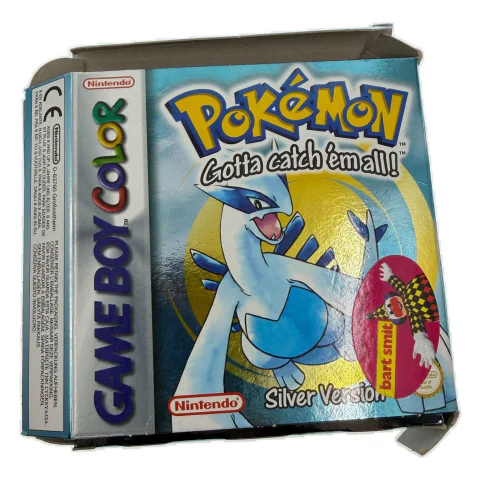
Pokemon Silver Version
€239.95Personally tested Fair condition
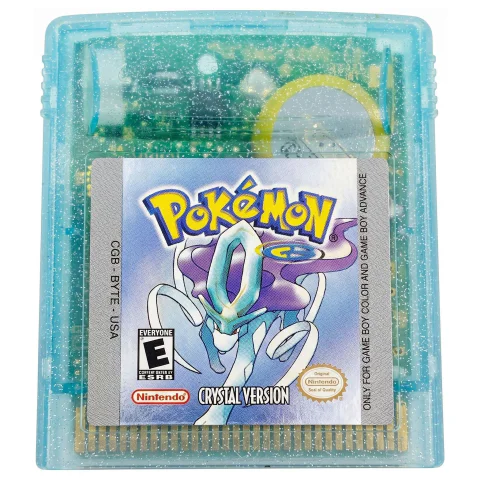
Pokemon Crystal (poor condition)
€159.95Personally tested Fair condition
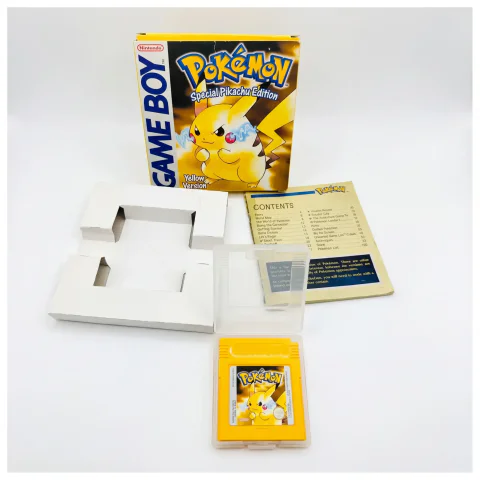
Pokemon Yellow
€319.95Personally tested
Every mainline Pokémon GameBoy game, in release order
| Game | Year (EU) | System | What it is |
|---|---|---|---|
| Red | 1999 | Game Boy | Gen 1 — Kanto |
| Blue | 1999 | Game Boy | Gen 1 — Kanto |
| Yellow | 2000 | Game Boy (Color-enhanced) | Gen 1 — Special Pikachu Edition |
| Gold | 2001 | Game Boy Color | Gen 2 — Johto |
| Silver | 2001 | Game Boy Color | Gen 2 — Johto |
| Crystal | 2001 | Game Boy Color | Gen 2 — definitive version |
Game by game — the buying notes
Pokémon Red (1999)
Where it started in Europe, three years after Japan. Charizard on the cover, 151 Pokémon, and a save that lives on a battery — which is the single thing to check before you pay for one.
Pokémon Blue
€74.95Personally tested Fair condition
The Blastoise half, released the same day as Red, with different version-exclusives. The most common of the Gen 1 cartridges and usually the cheapest way in.
Pokémon Yellow
€74.95Personally tested Fair condition
Pikachu follows you and the anime starters are all obtainable. It is a Game Boy cartridge that plays in colour on a Game Boy Color — the only Gen 1 game that does. Boxed copies carry a steep premium over loose ones.
Pokémon Gold
€74.95Personally tested Fair condition
Johto plus all of Kanto on one cartridge — the only mainline generation that gives you two complete regions — only its own remakes, HeartGold and SoulSilver, repeated it. The battery here does double duty: the save and the in-game clock.
Pokémon Silver
€239.95Personally tested Fair condition
The Lugia counterpart to Gold, same size, different version-exclusives. Same battery caveat, same two regions.
Pokémon Crystal
€89.95Personally tested Good condition
The complete Johto game: animated sprites, the Suicune storyline, and the first mainline Pokémon game that let you play as a girl. It arrived late in the Game Boy Color run, and it is the one collectors want: a loose Crystal is consistently the priciest of these six on our own shelves, ahead of Yellow and well ahead of Gold. This is the expensive one.
Buying one generation specifically? We wrote separate buying guides for Red, Blue & Yellow and Gold, Silver & Crystal.
The save battery — the one check that matters here
This is where Game Boy Pokémon differs from every later generation, and where most used listings stay quiet. All six mainline games keep your progress in SRAM, kept alive by a CR2025 button cell soldered inside the cartridge. Nothing about a flat cell is visible from the outside — the game boots, plays and looks perfect. It just does not remember anything once you switch the console off.
- Red, Blue and Yellow. One job: holding the save. Flat cell, no save.
- Gold, Silver and Crystal. Two jobs: the save and the internal clock. A flat cell there also freezes day and night, which stops the time-based events — morning-only encounters, the weekly siblings, berry regrowth.
- It is replaceable. A tri-wing bit, a fresh CR2025 and a soldering iron — perhaps twenty minutes. Treat a flat battery as a price point, not a reason to walk away. Replacing it does wipe whatever save was still on there.
We test saving and loading on real hardware before anything is listed, and we say which cartridges have a fresh cell. It is the difference between a Pokémon you keep and an afternoon you lose.
Real or fake — where to start
Pokémon is the most counterfeited series on this hardware, and Gen 1 and 2 are where the collector prices are. The first check is the same one that works on Game Boy Advance:
- The screw. A genuine Game Boy or Game Boy Color cartridge closes with a tri-wing screw — a Y-shape with three points. A Phillips cross-head means someone opened it, or Nintendo never closed it.
- The board. Inside, the board carries "Nintendo" and a prefix code: DMG for Game Boy, CGB for Game Boy Color. No code, or a code that does not match the game, settles it.
- The label. Genuine print is crisp and slightly matte; counterfeits run glossy, with colours a shade off and edges that do not sit square in the recess.
The full check — weight, plastic, board and battery — is in our fake Pokémon cartridge guide, written from the roughly 12% of cartridges we reject at buying.
The three spin-offs
Pokémon Pinball (2000)
Catch Pokémon on a pinball table, and the only Game Boy Pokémon cartridge with a rumble motor — which is why it is thicker than the rest and takes its own AAA battery on top of the save battery. The GBA sequel, Pokémon Pinball: Ruby & Sapphire, does the same trick.
Pokémon Trading Card Game
€189.95Personally tested Good condition
The card game as an RPG, and a genuinely good one. The obvious companion if you also collect the physical cards.
Pokémon Puzzle Challenge (2001)
Panel de Pon with a Johto skin. Released late in the Game Boy Color run and never especially common.
Or buy one that has already been checked
Every Game Boy cartridge we sell has been opened, checked against its board code, save-tested on real hardware and listed with its battery status — we reject roughly 12% of what we are offered. We have been doing this since 2019, with 1400+ verified reviews at 4.8★, and we ship tracked to all 27 EU countries.
Browse tested Pokémon gamesQuestions we get asked
How many Pokémon games are there on Game Boy and Game Boy Color?
Nine: six mainline games and three spin-offs. The mainline six are Red and Blue (1999), Yellow (2000), and Gold, Silver and Crystal (2001). The spin-offs are Pokémon Pinball, Pokémon Trading Card Game and Pokémon Puzzle Challenge. Red, Blue and Yellow are Game Boy cartridges; Gold, Silver, Crystal and all three spin-offs are Game Boy Color.
Does the save battery in a Game Boy Pokémon game still work?
Often not, and this is the one thing that separates a good buy from a bad one. Red, Blue, Yellow, Gold, Silver and Crystal store your progress in SRAM kept alive by a CR2025 button cell inside the cartridge. When that cell goes flat the game still plays perfectly — but your save is gone the moment you switch off. On Gold, Silver and Crystal a flat battery also stops the in-game clock, so day and night stop changing. The cell is replaceable, so treat it as a price point rather than a dealbreaker; we test saving on real hardware and state the battery status on every listing.
Which console do I need to play them?
Any Game Boy, Game Boy Pocket, Game Boy Color, Game Boy Advance or Game Boy Advance SP plays all nine. Two things do not: the Game Boy Micro, which dropped Game Boy and Game Boy Color support entirely, and the Nintendo DS — its second slot takes Game Boy Advance cartridges only. Yellow, Gold, Silver and Crystal are the ones worth playing on a Game Boy Color or Advance, because that is where they show their colour.
Are Game Boy Pokémon games region-locked?
No. Game Boy and Game Boy Color are fully region-free — an American cartridge plays on a European console and the other way round. What does differ is the language printed on the cartridge and the box. Everything we list is the European version unless the product page says otherwise.
Which Game Boy Pokémon game should I buy first?
Crystal if you want the generation at its fullest: Johto and Kanto in one cartridge, animated sprites and the best-regarded story of the era. Blue or Red if you want Gen 1 for what it is, and they are the most affordable of the six. Yellow sits in between and is the one to pick if the anime is the reason you are here.
How do I know a Game Boy Pokémon cartridge is genuine?
Start with the screw: a genuine cartridge closes with a tri-wing screw — a Y-shape with three points — exactly like Game Boy Advance. A Phillips cross-head means stop. Then the label print and, inside, a board carrying "Nintendo" and a DMG (Game Boy) or CGB (Game Boy Color) prefix code. Pokémon is the most counterfeited series on this hardware, which is why we open every cartridge we buy.
Why is Crystal so much more expensive than Gold and Silver?
Print run. Crystal arrived late in 2001, near the end of the Game Boy Color era and with the Game Boy Advance already announced, so far fewer were made than of Gold and Silver — and it is the version collectors want. Boxed copies of any of the six carry a further premium over a loose cartridge; the box and the inserts are what almost nobody kept.
Do you ship Game Boy games across the EU?
Yes — tracked shipping from the Netherlands to all 27 EU countries, no customs charges inside the EU, and 30 days to return an order. The exact rate for your country appears at checkout before you pay.
Need something to play them on? tested Game Boy, Game Boy Color and Advance consoles.
The next generation up: all Pokémon GBA games — then all Pokémon DS games, or see the whole series in order.
Dutch reader? Pokémon Game Boy-games — dezelfde lijst in het Nederlands.