Series guide
All Mario games in order
Nintendo develops Mario as two separate lines, and that is the only way this list makes sense: the 2D line that starts with Super Mario Bros. in 1985, and the 3D line that starts with Super Mario 64 in 1996. Both below in release order, console by console.
The short answer
2D, in order: Super Mario Bros. (1985) → Bros. 2 → Bros. 3 → Land → World → Land 2 → New Super Mario Bros. (DS) → New Super Mario Bros. Wii → New Super Mario Bros. 2 (3DS) → New Super Mario Bros. U → Maker → Maker 2 → Wonder (2023). 3D, in order: Super Mario 64 (1996) → Sunshine → Galaxy → Galaxy 2 → 3D Land → 3D World → Odyssey (2017). About twenty mainline platformers in total; over 200 titles if you count Mario Kart, Party, sports and the RPGs. None of them need to be played in order.
The 2D line, in release order
Thirteen mainline games in the side-on tradition that started it all.
- Super Mario Bros. · 1985 · NES
- Super Mario Bros. 2 · 1988 · NES
- Super Mario Bros. 3 · 1988 · NES
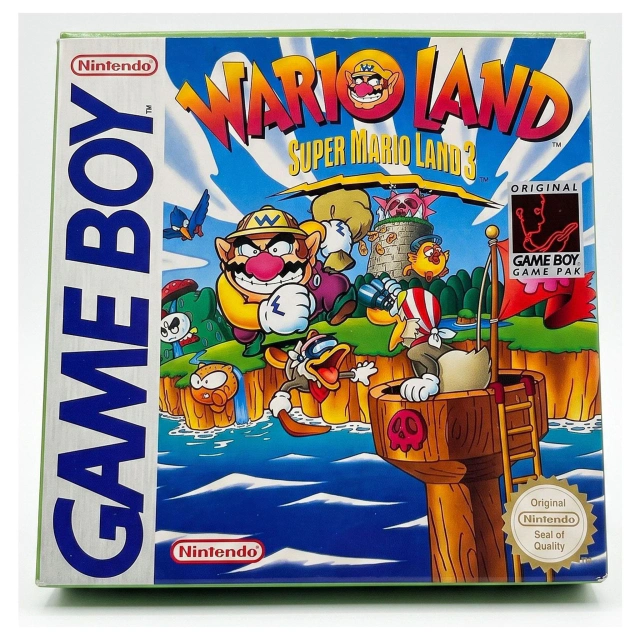
- Super Mario Land · 1989 · Game Boy
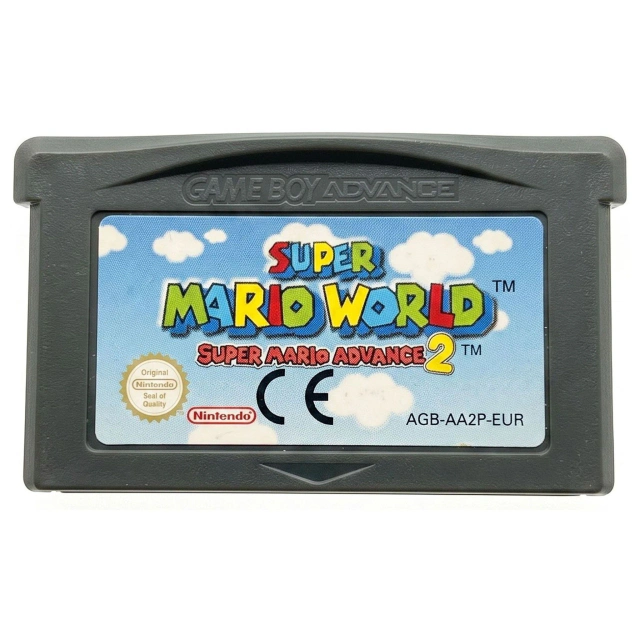
- Super Mario World · 1990 · SNES
- Super Mario Land 2: 6 Golden Coins · 1992 · Game Boy
- New Super Mario Bros. · 2006 · Nintendo DS
- New Super Mario Bros. Wii · 2009 · Wii
- New Super Mario Bros. 2 · 2012 · Nintendo 3DS
- New Super Mario Bros. U · 2012 · Wii U
- Super Mario Maker · 2015 · Wii U
- Super Mario Maker 2 · 2019 · Nintendo Switch
- Super Mario Bros. Wonder · 2023 · Nintendo Switch
The 3D line, in release order
Seven games, beginning with the one that taught the entire industry how a camera should work behind a character.
- Super Mario 64 · 1996 · Nintendo 64
- Super Mario Sunshine · 2002 · GameCube
- Super Mario Galaxy · 2007 · Wii
- Super Mario Galaxy 2 · 2010 · Wii
- Super Mario 3D Land · 2011 · Nintendo 3DS
- Super Mario 3D World · 2013 · Wii U
- Super Mario Odyssey · 2017 · Nintendo Switch
What about Mario Kart, Party and the RPGs?
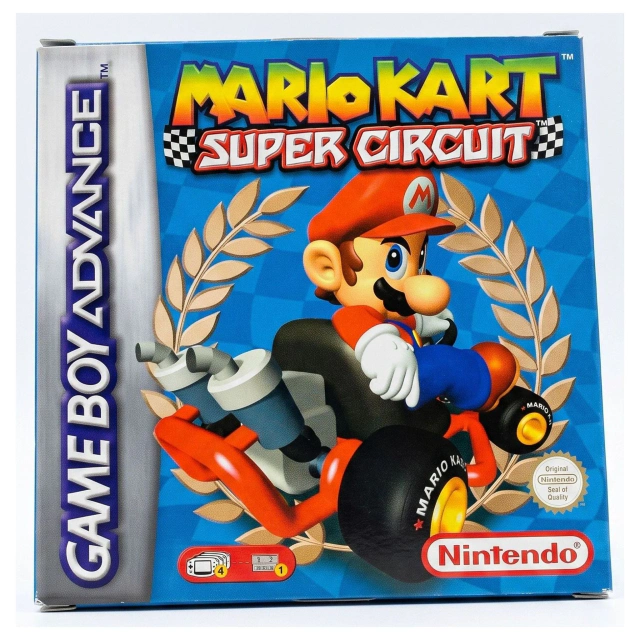
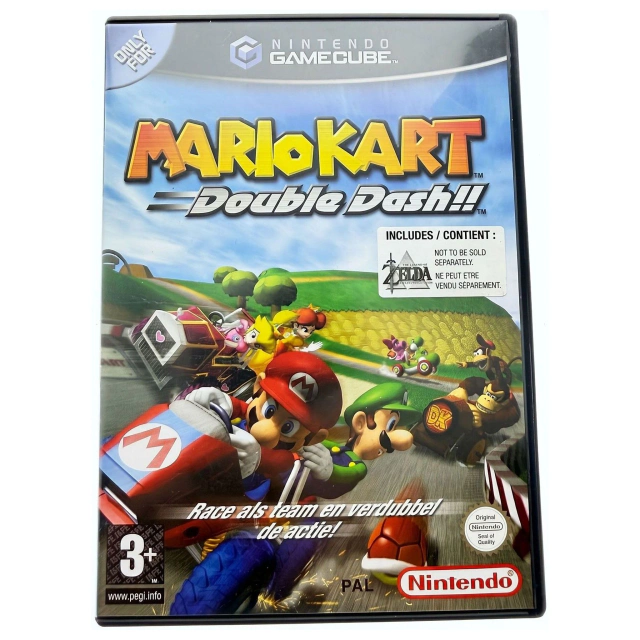
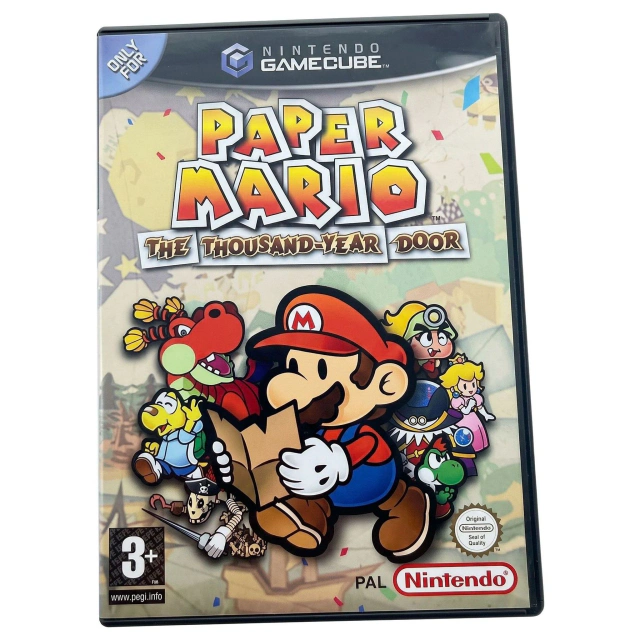
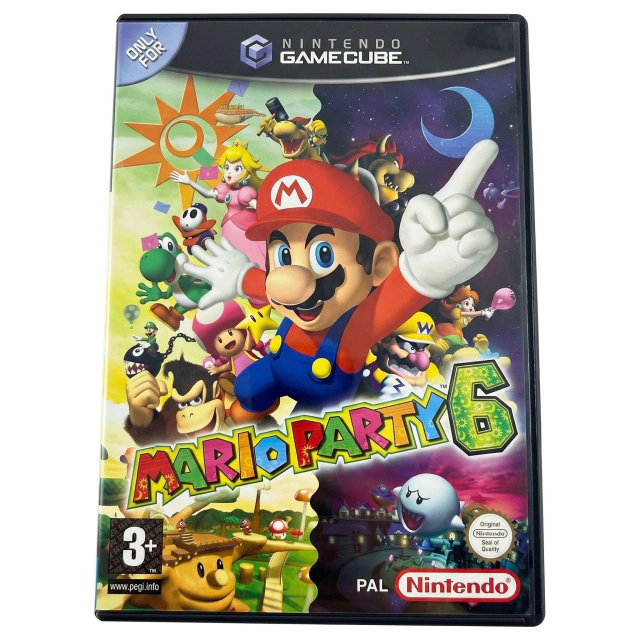
Deliberately not in the lists above — they are spin-off series with their own release orders, and mixing them in is what turns a Mario list into an unreadable 200-item table. The short version: Mario Kart runs from Super Mario Kart (SNES, 1992) to Mario Kart World (Switch 2, 2025), with Mario Kart 8 Deluxe the most complete of them; Mario Party from the N64 originals to Super Mario Party Jamboree (2024); and the RPG line splits into Paper Mario (from N64, 2000) and Mario & Luigi (from GBA, 2003). Browse them all in our Mario collection.
Buying these second-hand
The N64 and GameCube era is where prices actually move
Super Mario 64 and Super Mario Sunshine have been climbing steadily for years, and the same is true for Paper Mario and Mario Party 3 on N64. These are the titles worth buying first if you are building a collection rather than just playing — the modern Switch games will still be everywhere in five years.
Loose cartridges play identically and cost far less
A boxed copy can be double the price of a loose cartridge of the same game in the same condition. If you want to play rather than display, loose is the sensible buy. We list both and say plainly which one you are looking at.
Mario cartridges rarely have the save-battery problem
Unlike Pokémon, most NES and SNES Mario platformers do not use a battery-backed save — Super Mario World and Yoshi’s Island are the notable exceptions. So an old Mario cartridge that boots generally still saves. It is worth asking anyway, and we test both on every copy.
The Wii U library is the cheapest way into several of these
New Super Mario Bros. U, Super Mario 3D World and Super Mario Maker all launched on Wii U and are still inexpensive there, because the console sold poorly. Several were later re-released on Switch at full price. If you already own a Wii U, that is a real saving.
Every copy tested before it is listed
Booting, saving, label, and — on cartridges — the board underneath. We have been doing this since 2019, with 1400+ verified reviews at 5.0★, and we ship tracked to all 27 EU countries. Originals only; if something ever turns out not to be genuine, you get your money back.
Browse tested Mario gamesQuestions we get asked
How many Mario games are there?
Counting only the mainline platformers there are roughly twenty: thirteen in the 2D line, from Super Mario Bros. (1985) to Super Mario Bros. Wonder (2023), and seven in the 3D line, from Super Mario 64 (1996) to Super Mario Odyssey (2017). Include the spin-offs — Mario Kart, Mario Party, the sports games and the RPGs — and the total runs past 200 titles.
Do I need to play the Mario games in order?
No. Apart from a few RPG sequels such as Paper Mario and Mario & Luigi, every Mario game stands entirely on its own — there is no continuing story to follow. The "order" here is release order, not narrative order, so you can start wherever you like.
What was the first Mario game?
Super Mario Bros. for the NES, in 1985. Mario himself appeared earlier as "Jumpman" in Donkey Kong (1981), but his own platform series started in 1985.
Which Mario game should I start with?
For 3D, Super Mario Odyssey (Switch) or Super Mario 64 (N64) — Odyssey if you want the most modern one, 64 if you want the one that invented the genre. For 2D, Super Mario Bros. Wonder (Switch) or New Super Mario Bros. (DS). All four are standalone.
What is the difference between the 2D and 3D Mario lines?
Nintendo develops them as two separate series. The 2D line runs side-on across levels and descends directly from Super Mario Bros. (1985); the 3D line began with Super Mario 64 (1996) and gives you a camera and open areas to explore. Super Mario 3D Land and 3D World sit deliberately between the two: 3D worlds built along a 2D-style linear path.
Do old Mario cartridges still work?
Generally yes. Most NES and SNES Mario platformers do not rely on a save battery — Super Mario World and Yoshi’s Island are the exceptions — so a cartridge that boots usually still saves. Every game we sell is tested for both booting and saving before it is listed.
Do you ship outside the Netherlands?
We ship to all 27 EU countries with track & trace. Parcels leave from the Netherlands, so delivery takes slightly longer than a domestic order, and there are no customs charges within the EU. Your country’s exact rate appears at checkout before you pay.
Years given are the first worldwide release; European dates were often one to two years later. Deze gids in het Nederlands.